Best Time to Visit Ladakh and When the Roads Open

Jaipur-based travel specialists sharing practical India and international route notes drawn from verified ground operations.
Quick Answer
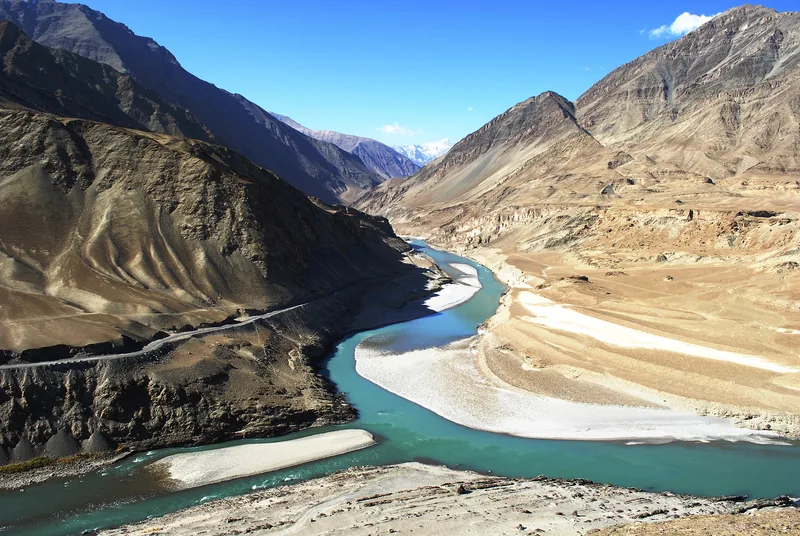
The best time to visit Ladakh is May to September when Khardung La, Chang La, Nubra Valley, and Pangong Lake enjoy clear access and comfortable daytime sunshine. Fly-in Leh tours operate smoothly from late April onward, while overland Manali–Leh and Srinagar–Leh road and bike trips typically open around late May or early June once snow clearance finishes.
Ladakh Highway Status & Seasonal Travel Calendar
| Period | Manali–Leh & Srinagar–Leh Roads | Internal Passes (Khardung La / Chang La) | Weather & Trip Experience |
|---|---|---|---|
| April | Closed due to heavy winter snow on Rohtang/Baralacha/Zoji La | Open with periodic snow dusting | Crisp early spring (-2°C to 12°C); quiet monasteries; fly-in only |
| May | Srinagar–Leh opens mid/late May; Manali–Leh clearing late May | Open; fresh snow walls along pass tops | Sunny days (4°C to 18°C); frozen edge at Pangong early May; quiet valleys |
| June | Both highways open for cars & motorcycle expeditions | Fully open; melting snow streams along Shyok | Peak biking season (8°C to 22°C); brisk freezing Pangong nights |
| July | Highways open (watch Kullu–Manali valley monsoon rain early stretch) | Open; occasional glacier water crossings on Shyok trail | Warm Leh afternoons (12°C to 26°C); Ladakh stays mostly dry rain-shadow |
| August | Highways open; Ladakh itself remains bright & scenic | Open; clear road riding conditions | Lush riverside orchards in Turtuk; vibrant monastery festivals in summer |
| September | Highways open until early/mid-Oct weather dependent | Open; crisp clear autumn skies, minimal dust | Golden willow trees along Indus valley; thinner crowds; chilly passes (5°C to 20°C) |
| October | High passes begin closing early/mid-October after early snows | Open early month; snow checks later | Sharp freezing nights (-4°C to 14°C); quiet fly-in luxury or photography |
| Nov – March | Closed due to extreme snow blocking mountain passes | Open weather permitting (chains required) | Deep winter freeze (-15°C to 3°C); Chadar / snow leopard trips for specialists |
How Ladakh’s Geography Dictates Travel Seasons
Sitting high above 11,500 ft in the trans-Himalayan rain shadow behind the Great Himalayan Range, Ladakh sees very little monsoon rainfall compared to Himachal Pradesh or Uttarakhand. Instead, travel access depends almost entirely on winter snowfall melting off four dramatic high mountain passes: Zoji La (west toward Kashmir), Baralacha La and Tanglang La (south toward Manali), plus Khardung La and Chang La inside Ladakh itself.
Because Border Roads Organisation (BRO) engineers clear thick avalanche snow from spring onward before fresh snow shuts the overland highways again around October, choosing the right month shapes whether you fly straight into Kushok Bakula Rimpochee Airport in Leh or ride all the way over mountain passes from Manali or Srinagar.
Fly-In Leh SUV & Family Season (Late April to October)
Commercial flights between Delhi and Leh run every month of the year, meaning SUV families and honeymooners do not have to wait for Manali or Zoji La highways to open. From late April through early June, snow still frames Khardung La summit while Leh market hotels and Nubra camps open briskly with reasonable pre-peak room rates.
Remember that flying into Leh jumps from near sea level to 11,500 ft in just 75 minutes. Keeping Day 1 strictly for indoor rest and hydrating calmly ensures everyone adapts smoothly regardless of which summer month you choose.
Manali–Leh & Srinagar–Leh Bike Trip Window (June to September)
For riders dreaming of Manali–Leh–Srinagar motorcycle expeditions, June through mid-September offers the sweet spot once Baralacha La, Nakee La, and Zoji La highways stabilize. Early June brings dramatic white snow corridors lining the roadside around Baralacha La; July and August bring slightly warmer river-crossing rides; and September wins riders over with crisp golden foliage, dry roads, and bright blue skies.
Note that during July and August, the Manali-side approach through Himachal occasionally sees monsoon rain or landslides before climbing past Atal Tunnel into dry Lahaul and Ladakh—building one buffer day before your return flight out of Srinagar or Leh is smart planning.
Weather Differences Inside Ladakh Itself
Even in the warmest week of July, Ladakh surprises unprepared travellers with big daily temperature swings inside a single 4-hour drive.
- Leh & Sham Valley (10,500–11,500 ft): Warm sunlit afternoons up to 25°C in July, dropping cleanly to 8°C–10°C overnight.
- Nubra Valley & Turtuk (9,800–10,000 ft): Lower elevation means milder desert sunshine, apricot orchards, and cosy evening warmth.
- Pangong Tso & Tso Moriri (14,200–14,800 ft): Cold brisk lakefront winds throughout summer; nights regularly dip between 0°C and 4°C even in July.
- Khardung La & Chang La (~17,500+ ft): Sub-zero gusts and occasional sudden sleet flurries even during sunny valley months.
Leh Ladakh Tour Packages
Leh Ladakh tour packages with Nubra Valley, Pangong Lake, Khardung La and Leh monasteries. Acclimatisation days, permits and private cab.
Festivals and Quiet Shoulder Weeks Worth Considering
Many Buddhist monasteries—including Hemis, Thiksey, Lamayuru, and Stok—hold colourful masked Cham dance festivals (Tsechu) timed by the Tibetan lunar calendar, often falling in June, July, or winter months. Planning around a monastery festival adds deep cultural vibrancy to regular Nubra–Pangong drives.
If your calendar allows flexibility outside peak June school holidays, mid-May or mid-September delivers clean valley roads, less dust at viewpoints, quieter lakeside camps at Pangong Tso, and pleasant hospitality across Ladakhi homestays and boutique resorts.
Picking Fly-In 6-Day vs Overland 11-Day Routes by Month
Your travel month should directly dictate whether you book a fly-in Leh loop or an overland expedition. From late April through late May—and again in early October—flying directly into Leh is the safest choice because Rohtang, Baralacha La, and Zoji La either remain snowed in or face unpredictable autumn closures.
Once mid-June arrives, riders and road-trip enthusiasts get full access across the grand Manali–Leh–Srinagar triangle. Entering via Srinagar–Kargil and exiting via Manali gives first-time overland riders a gentler staircase climb from 5,200 ft up toward 11,500 ft in Leh before crossing higher Taglang La and Baralacha La passes.
Permits, Post-Paid Connectivity & Packing by Season
No matter which summer week you visit, remember two fixed Ladakh rules: outside pre-paid mobile SIMs receive zero signal across Leh, Nubra, and Pangong (carry post-paid Jio, Airtel, or BSNL), and Inner Line Permits remain mandatory for Nubra Valley, Pangong Tso, and Tso Moriri—check current permit guidelines and fees ahead of travel at https://lahdclehpermit.in/. Pack UV sunglasses, SPF 50 sunscreen, thermal base layers, and windproof jackets even in July, because afternoon glare turns sharply cold once mountain winds cross Pangong Lake after sunset.
Finally, allow a quiet evening back in Leh before flying home out of Kushok Bakula Rimpochee Airport so sudden cloud cover over Chang La pass never disrupts morning check-in.
Choosing the Right Month for Families vs Photographers
Families travelling with school-going children from Jaipur, Delhi, or Mumbai usually gravitate toward mid-May through late June, when days stay bright and sunny across Leh Market and Hunder sand dunes. Photographers and quieter couples often prefer early September, when summer dust settles, apricot trees turn golden amber across Sham Valley, and Pangong lakefront camps feel wonderfully serene.
Whichever summer window fits your leave calendar, build gentle altitude acclimatization directly into Days 1 and 2 before tackling 17,000-foot passes like Khardung La or Chang La. Drink plain water and warm soups steadily, avoid strenuous staircases on arrival afternoon, keep warm fleece layers accessible inside daypacks, and let experienced local Ladakhi drivers pace highway climbs smoothly across Shyok and Nubra.
Also check monastery festival dates or school holiday rushes roughly two months prior to departure so preferred heated Leh hotels, Hunder garden cottages, and lakeside Pangong stays stay reserved cleanly under confirmed itineraries.
Frequently Asked Questions
Which is the absolute best month for a first-time Ladakh trip?
June and September strike the best balance between open highways, crisp mountain views, comfortable camp temperatures, and smooth road conditions.
Does it rain heavily in Ladakh during July and August?
No—Ladakh lies in the Himalayan rain shadow, so Leh, Nubra, and Pangong usually stay mostly dry while plains India gets monsoon rain, though Manali-side roads can see early monsoon showers.
When does Pangong Lake freeze completely?
Pangong Tso typically freezes solid across deep winter from December through March before thawing slowly across late April and May.
Can senior citizens visit Ladakh comfortably by flight?
Healthy older travellers often enjoy May, June, or September fly-in SUV tours if they keep Day 1 strictly for rest, consult their doctor beforehand, and keep passes brief.
Explore Ladakh Itineraries with Raay Holidays
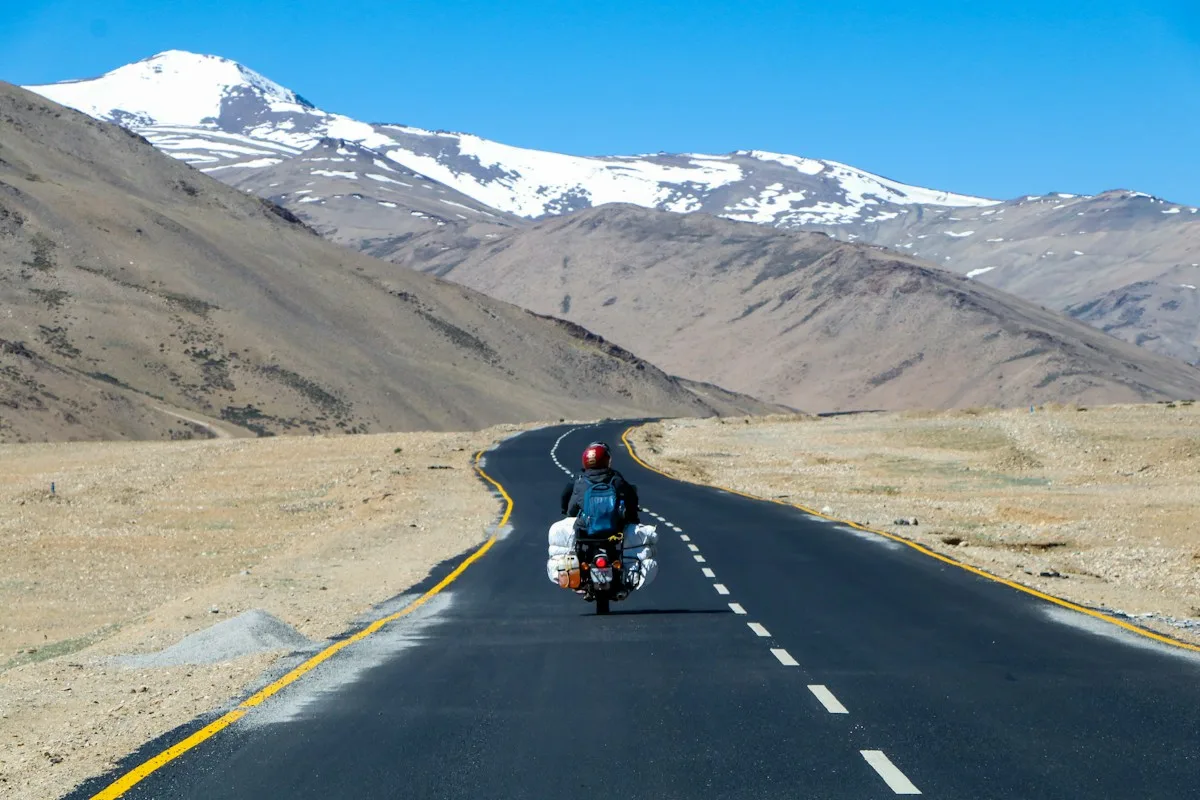
Leh Ladakh Tour Packages
Leh Ladakh tour packages with Nubra Valley, Pangong Lake, Khardung La and Leh monasteries. Acclimatisation days, permits and private cab.
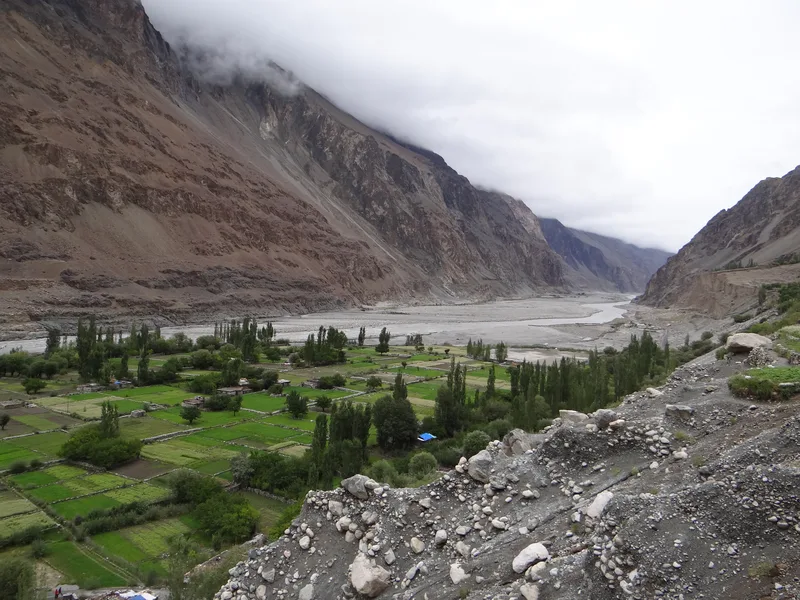
Leh Ladakh Bike Trip Packages
Ladakh bike trips with Royal Enfield bikes, permits, stays and route support. Leh to Leh and Manali to Leh routes. Check batch dates.
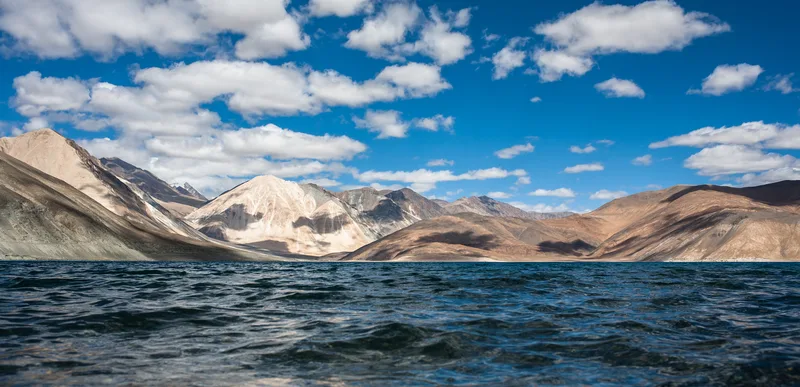
Leh Nubra Pangong Tour (5 Nights / 6 Days)
5 nights in Leh, Nubra Valley and Pangong Lake by private cab with acclimatisation in Leh. Permits, stays and a day-wise plan.
Plan Your Ladakh Trip
Speak directly with our Jaipur team for customized dates and pricing.