Best Time to Visit Sikkim for Snow, Flowers and Clear Views

Jaipur-based travel specialists sharing practical India and international route notes drawn from verified ground operations.
Quick Answer
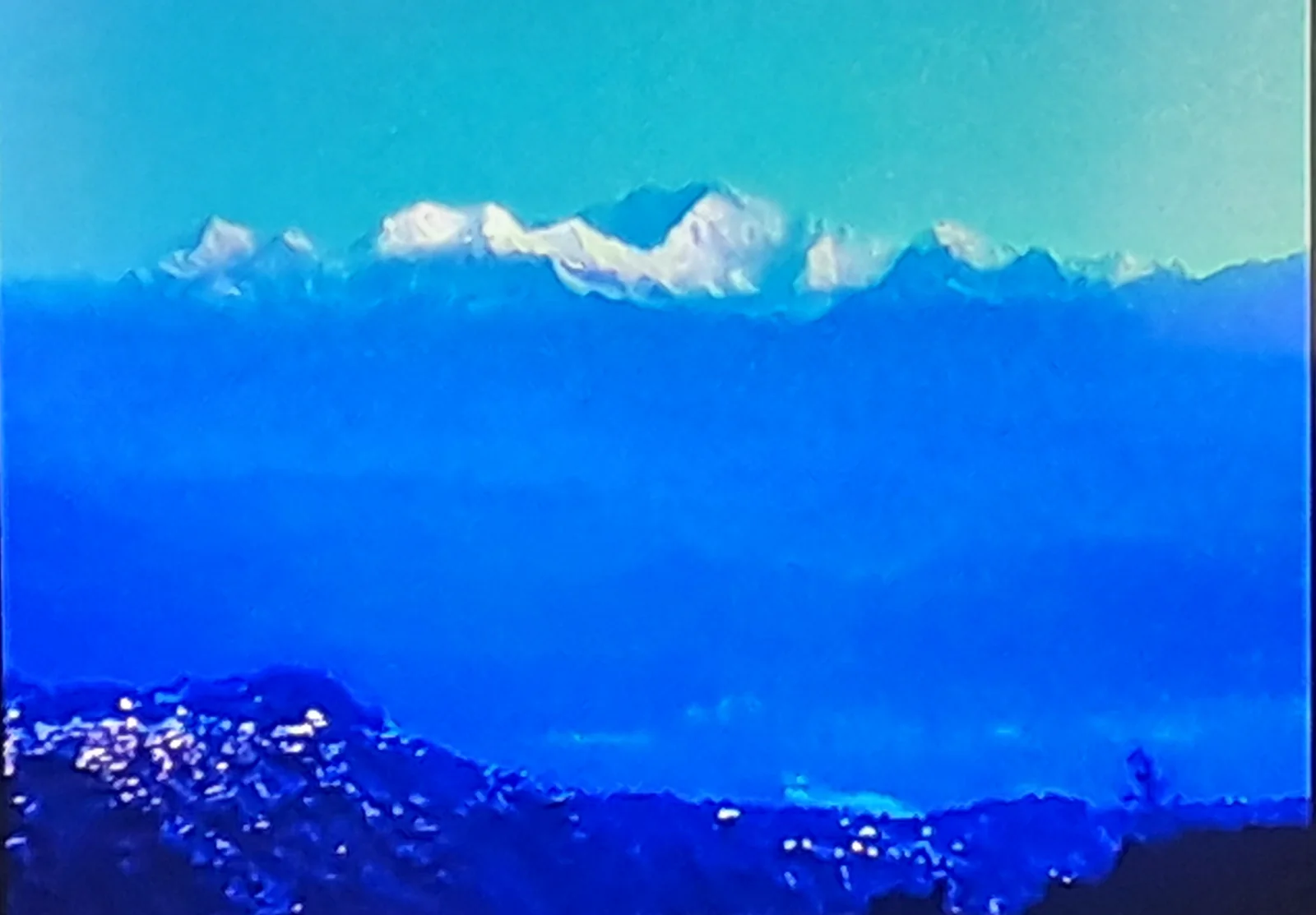
The best seasons to visit Sikkim are March to May for spring rhododendron blooms and pleasant valley drives, and October to mid-December for crystal-clear Kanchenjunga peaks and early high-altitude snow. High passes such as Tsomgo Lake, Nathula, and North Sikkim’s Zero Point hold winter snow longest between December and April.
Sikkim 12-Month Weather, Kanchenjunga Visibility & Valley Calendar
| Month | Gangtok Weather | High Altitude (Tsomgo / Lachung) | Best Reason to Visit |
|---|---|---|---|
| January | 4°C to 11°C (crisp cold) | Freezing snow; roads can pause in storms | Snow-covered lakes & cozy hill stays |
| February | 5°C to 13°C (chilly sun) | Deep snow around Zero Point & Tsomgo | Late winter snowplay & quiet monasteries |
| March | 9°C to 17°C (cool spring) | Fresh snow lingers at high passes; clear mornings | Mix of snow views + early hill blossoms |
| April | 12°C to 20°C (mild pleasant) | Early rhododendrons bloom near Yumthang | Ideal spring family & honeymoon balance |
| May | 15°C to 22°C (comfortable) | Peak Yumthang Valley of Flowers bloom | Vibrant valleys & summer heat escape |
| June | 17°C to 23°C (monsoon onset) | Frequent mist & mountain showers start | Lush greenery; check road updates closely |
| July | 18°C to 23°C (heavy monsoon rain) | Slippery slopes & occasional landslides | Quiet monastery retreats (buffer days wise) |
| August | 18°C to 23°C (rainy & misty) | Cloud cover hides mountain peaks often | Off-peak stays; limited peak visibility |
| September | 16°C to 22°C (rain tapers late month) | Valleys turn fresh emerald green | Late September post-monsoon freshness |
| October | 12°C to 20°C (crisp clear skies) | Best sunrise visibility of Kanchenjunga from Pelling | Peak autumn sightseeing & festival season |
| November | 8°C to 17°C (dry bright winter) | Razor-sharp Himalayan views, cold winds up north | Honeymooners & Kanchenjunga photography |
| December | 5°C to 13°C (winter cold) | Fresh snow returns to Lachung, Zero Point & Tsomgo | Festive year-end snow & clear morning light |
Two Peak Windows: Spring Flowers vs Autumn Skies
Unlike dry rain-shadow regions such as Ladakh, Eastern Himalayan Sikkim sits closer to Bay of Bengal moisture currents. That creates extraordinary biodiversity—from warm river gorges up to glacial yak pastures—while also giving monsoon clouds strong sway between late June and mid-September. Understanding Sikkim’s spring versus autumn personality helps you choose effortlessly.
Spring (March to May): Rhododendrons & Residual High-Pass Snow
Spring brings the famous bloom across Shingba Rhododendron Sanctuary and Yumthang Valley in North Sikkim. Dozens of bright red, pink, and white mountain flower species carpet hillsides above rushing alpine streams while upper elevations toward Zero Point (Yumesamdong) still hold lingering white snowfields right into May.
Families travelling from Rajasthan or central India in May appreciate temperatures hovering in the teens and low twenties around Gangtok and Pelling—cool enough for light jackets without bitter sub-zero wind in town.
Autumn to Early Winter (October to December): Sharpest Mountain Peaks
Once monsoon rains rinse dust from the Eastern Himalayas by early October, morning skies turn remarkably crisp. From Pelling hotel balconies and Gangtok ridge viewpoints, the colossal snow face of Mount Kanchenjunga glows pink at sunrise.
Travellers pairing Sikkim with Darjeeling’s Tiger Hill sunrise get their clearest horizon probabilities between mid-October and early December before deeper winter snowstorms reach higher North Sikkim passes.
Where and When Can You See Snow in Sikkim?
Gangtok town rarely receives heavy city snow, so finding snow in Sikkim depends on driving up above 11,500 ft in East or North Sikkim with proper Protected Area Permits.
- Tsomgo (Changu) Lake & Nathula Pass (East Sikkim): Usually holds snow from December through April, occasionally dusting early in May.
- Yumthang Valley & Zero Point (North Sikkim): Zero Point near 15,300 ft holds snowfields deepest into spring, often accessible even in May and early June.
- Lachung & Lachen villages: See winter snowfalls primarily between late December and February.
- Check weekly pass rules and weather updates before travel on Sikkim Tourism (https://sikkimtourism.gov.in/).
Sikkim Tour Packages
Sikkim tour packages for Gangtok, Lachung, Yumthang, Pelling and Nathula. Permits arranged, private cab and day-wise plans for every season.
Navigating Monsoon & Permit Basics Smoothly
Between late June and mid-September, heavy rain showers frequently cover Kanchenjunga in cloud and cause temporary road delays along Teesta Valley and North Sikkim gorges. If travelling then, stay flexible around Gangtok, Namchi, and Pelling rather than tight mountain connections.
Every Indian traveller visiting Tsomgo Lake, Nathula Pass, or North Sikkim requires advance Protected Area Permits using original Passport or Voter ID plus passport photographs—confirm current ID rules and fees before travel with your Raay Holidays planner.
How Weather Affects Cable Cars, Nathula & Day Trips
Eastern Himalayan mountain weather changes within hours, especially above 11,000 ft. Even during clear autumn mornings, mist frequently rolls over Gangtok ridge or Tsomgo Lake after 1 PM—so starting morning sightseeing early around 7:30 AM gives you your clearest blue-sky photos and smooth downhill traffic ahead of fog.
Remember also that Nathula Pass near the Indo–China border remains closed weekly on Mondays and Tuesdays for maintenance, and local police checkpoints can halt high-altitude travel temporarily whenever fresh snow accumulates suddenly. Building a calm Gangtok rest day or keeping Pelling after North Sikkim gives families graceful backup flexibility.
Best Months for Combining Sikkim with Darjeeling
When pairing Gangtok and Pelling with Darjeeling’s Tiger Hill sunrise, Batasia Loop, and Himalayan Mountaineering Institute, March–May and October–December deliver the finest cross-border synergy. Roads linking Melli, Teesta Bazaar, and Pashok tea estates run dry and bright, letting families enjoy toy-train rides, cardamom plantations, and crisp tea-estate mornings alongside Sikkim’s monasteries.
Carry woollen jackets, comfortable grippy walking shoes, motion-sickness tablets for winding hill roads from Bagdogra (IXB) or New Jalpaiguri (NJP), and waterproof rain shells regardless of month.
Travellers connecting out of Jaipur usually book early-morning flights via Delhi or Kolkata into Bagdogra Airport so the scenic 4-to-5-hour climb beside the Teesta River finishes well before hill darkness settles.
Choosing Between North Sikkim & West Sikkim by Season
During crisp peak windows of April–May and October–November, travellers with 7 days can comfortably experience both North Sikkim (Lachung and Yumthang Valley) and West Sikkim (Pelling Skywalk and Pemayangtse Monastery). If visiting during chilly mid-winter January or wet monsoon July, prioritizing lower-elevation Pelling, Ravangla, and Darjeeling alongside Gangtok day trips reduces weather-closure disruption for kids and senior citizens.
Whatever season you select, give yourself buffer time on the final afternoon downhill transfer back to Bagdogra Airport or New Jalpaiguri Railway Station—sleeping near lower elevations before early flights ensures calm exits.
Packing Strategy for Sikkim’s Changing Mountain Elevations
Because travellers descend from 12,400-foot glacial passes at Tsomgo Lake back down to mild Gangtok streets and humid Bengal foothills within hours, smart onion-style layering works far better than one bulky coat. Pack breathable cotton tops, a warm fleece mid-layer, waterproof outer windcheater, light woollen gloves for Yumthang or Zero Point, sunglasses, sunscreen, and grippy sneakers for monastery courtyards and waterfall steps.
Keep original government photo identification (Passport or Voter ID) plus extra passport-size photographs neatly inside a waterproof pouch for every adult and child so checkpoint verification toward Lachung, Yumthang, and East Sikkim lakes runs smoothly without folder digging.
Pack light dry snacks, reusable water bottles, personal prescription medication, and small cash denominations too, since remote mountain cafes around Zero Point and Gurudongmar corridors frequently lack stable mobile data for digital payments during sudden misty weather.
Choosing the right travel window alongside verified local Sikkim cab drivers keeps high passes, mountain monasteries, and valley meadows safe and memorable whether you visit for springtime flowers or crisp golden autumn views of Kanchenjunga.
Frequently Asked Questions
Which months give the clearest view of Mount Kanchenjunga from Pelling and Darjeeling?
October through December and March to early April provide the sharpest early-morning visibility of Mount Kanchenjunga before afternoon mountain clouds rise.
Can we visit Yumthang Valley and Gurudongmar Lake in January or February?
Road clearance beyond Lachung or Lachen depends heavily on daily snowfall; sometimes Zero Point and Gurudongmar close temporarily during heavy storms in January and February.
What ID documents work for Sikkim Protected Area Permits?
Carry original Passport or Voter ID (along with passport-size photos and copies); check current document acceptability and fees before travel as local permit guidelines vary for children and Aadhaar.
How many days are ideal for Gangtok, North Sikkim, and Pelling together?
6 nights / 7 days lets you connect Bagdogra, Gangtok, Lachung/Yumthang, and Pelling comfortably without exhausting daily mountain drives.
Explore Sikkim Itineraries with Raay Holidays
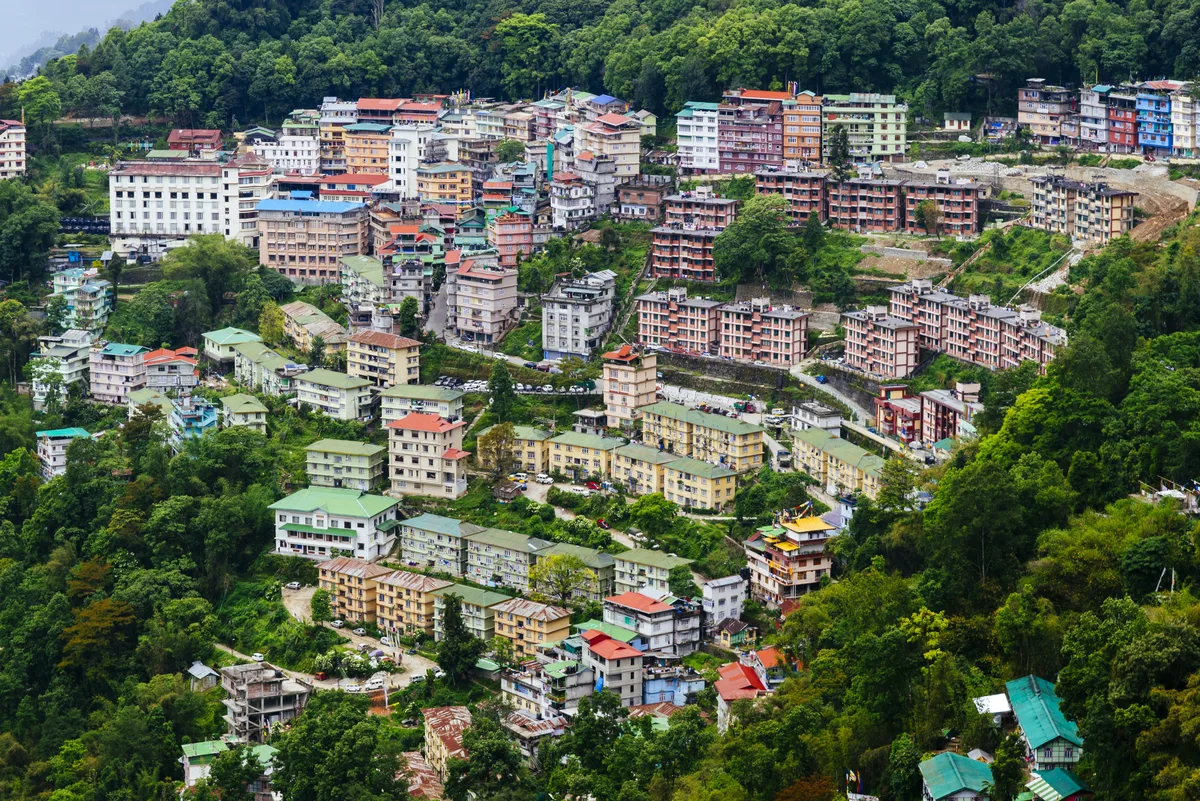
Sikkim Tour Packages
Sikkim tour packages for Gangtok, Lachung, Yumthang, Pelling and Nathula. Permits arranged, private cab and day-wise plans for every season.
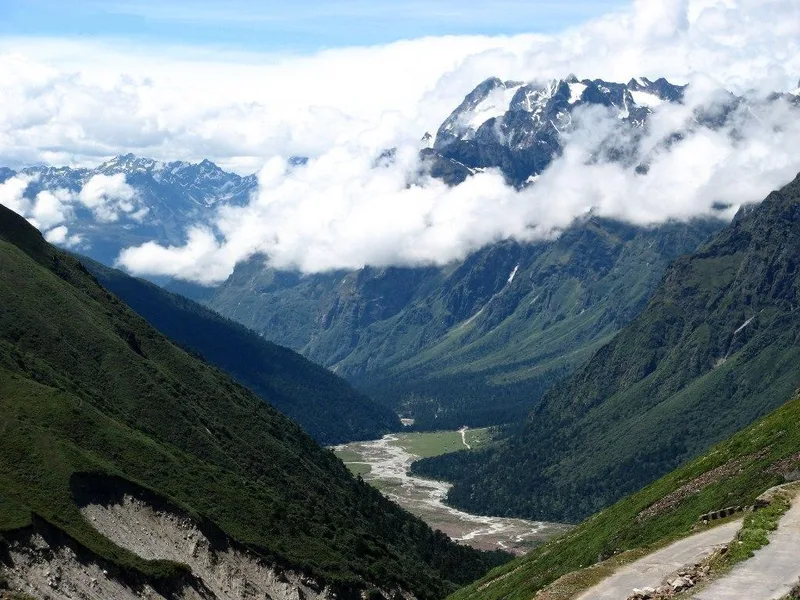
Gangtok Lachung Pelling Tour (6 Nights / 7 Days)
6 nights across Gangtok, Lachung, Yumthang and Pelling with Tsomgo Lake. Permits, private cab, stays and a day-wise plan.
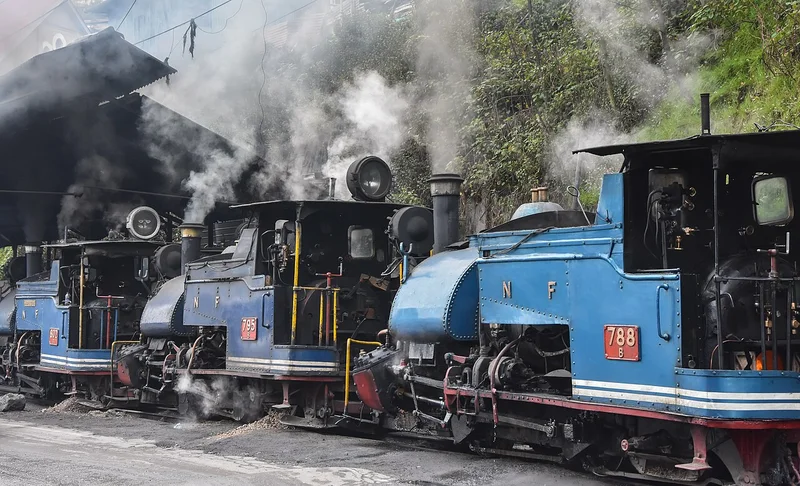
Sikkim Darjeeling Tour Package (6 Nights / 7 Days)
Gangtok and Darjeeling in 7 days: Tsomgo Lake, Tiger Hill sunrise, toy train and tea gardens. Day-wise plan, stays and inclusions.
Plan Your Sikkim Trip
Speak directly with our Jaipur team for customized dates and pricing.